Give Every Grocery Ingredient an Exit Plan
Before buying a giant tub, bunch, bag, or jar for one recipe, decide where the rest can go. A flexible way to waste less food without planning your entire life around ricotta.
The Spiceful Team
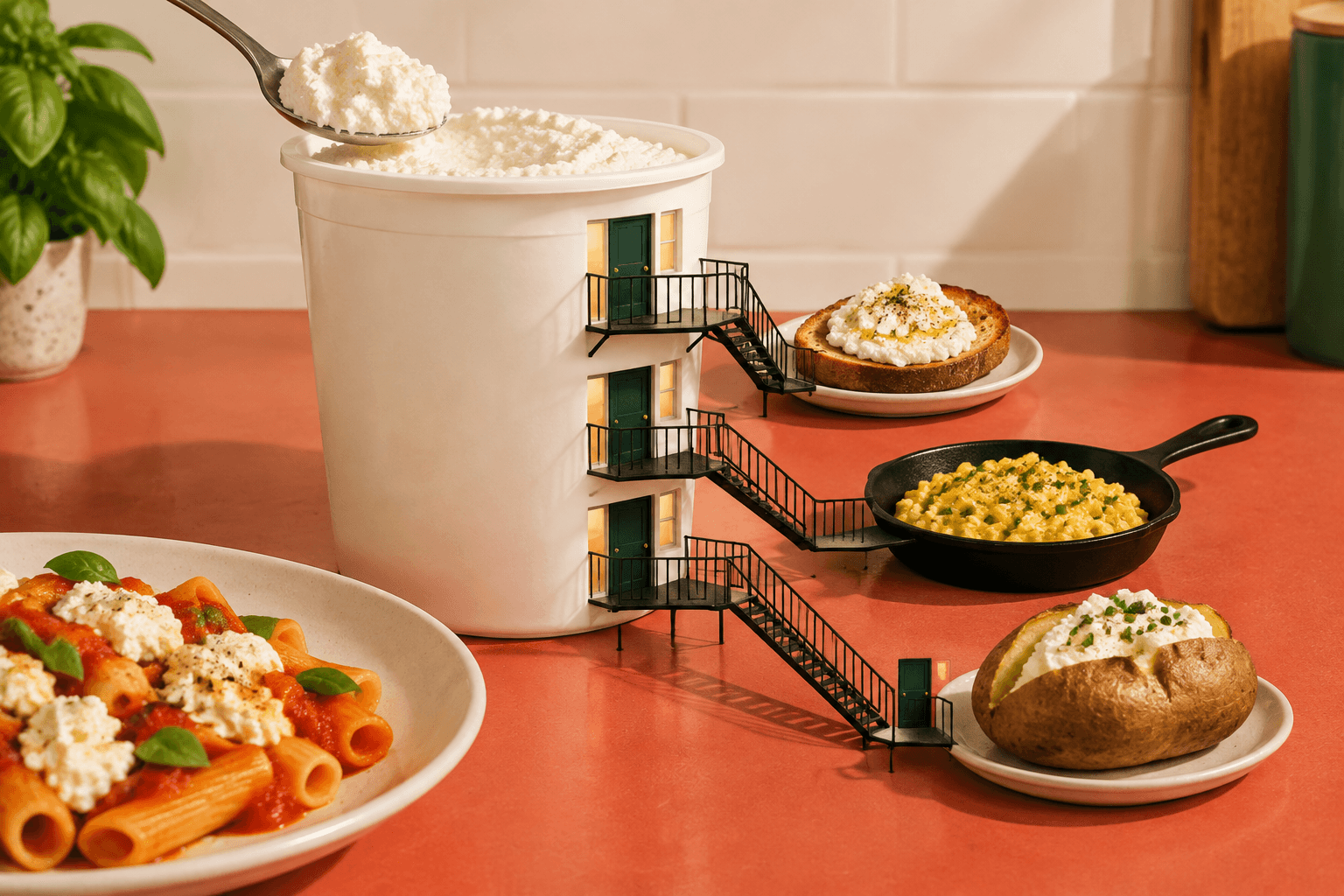
You need two tablespoons of ricotta for a pasta recipe. The store offers a container large enough to sublet. You buy it anyway, telling yourself you will “find uses for it.”
This is how the ricotta becomes the tiny dairy landlord of your entire week.
A better move is an ingredient exit plan: before you put an ingredient in the cart, decide what will probably happen to the part your recipe does not use.
This is not a formal scientific term. It is just a useful grocery-aisle question: Where is the rest of this going?
The answer can be very low effort. Maybe the remaining herbs go into eggs. Maybe part of the yogurt can be frozen, if that specific product is suitable and food-specific guidance supports it. Maybe you buy a smaller container, use a substitute, split the package, or choose a recipe that uses something already open at home.
The point is not to turn dinner into a hostage situation where every meal must feature ricotta. It is to avoid buying an ingredient with no plausible future beyond one extremely specific tablespoon.
Start with the package, not the recipe line
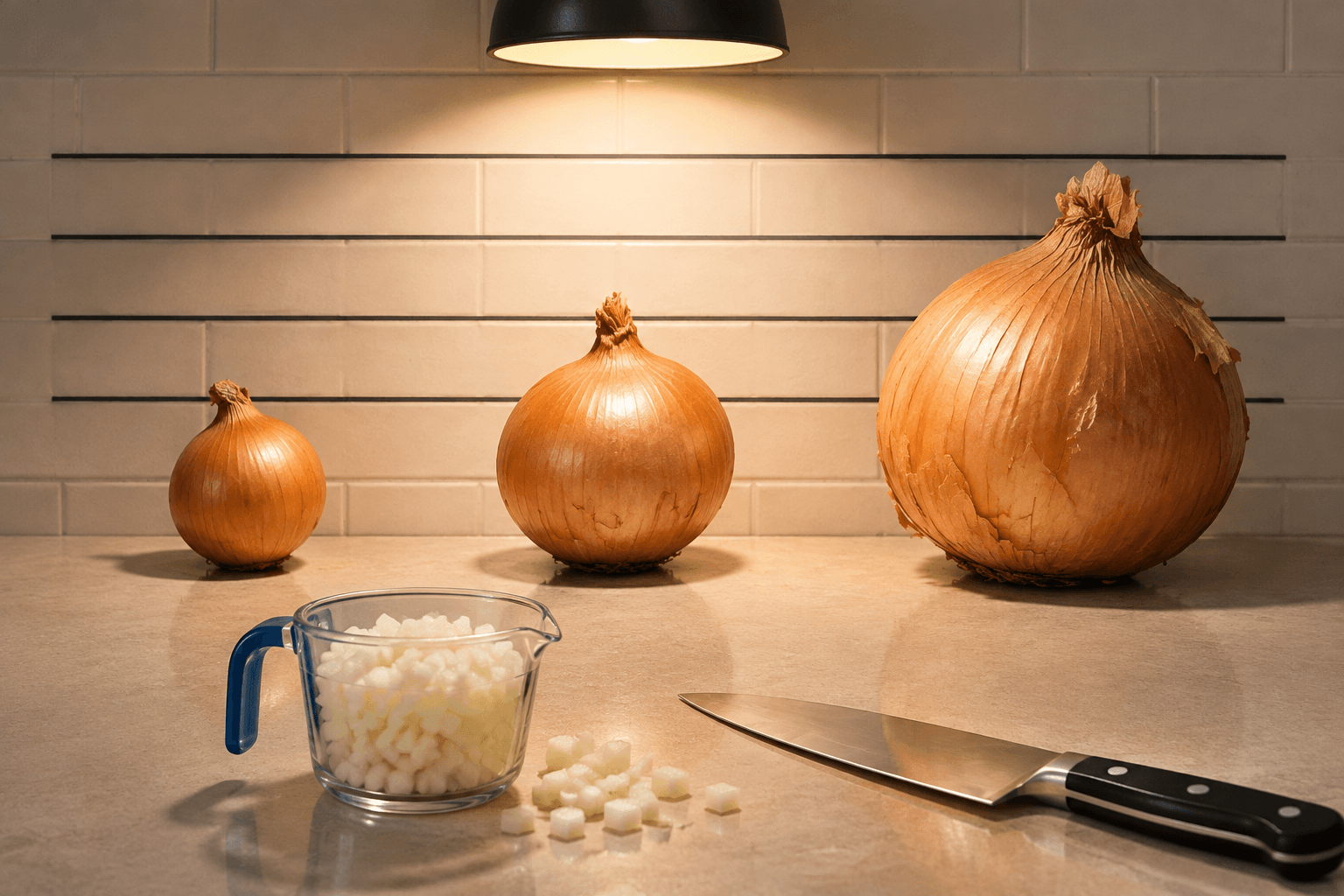
Recipes tell you what they need. Grocery stores sell what grocery stores feel like selling, which is occasionally a normal amount and occasionally enough parsley to decorate a royal banquet.
Before you shop, look at the recipe quantity and the full package surplus.
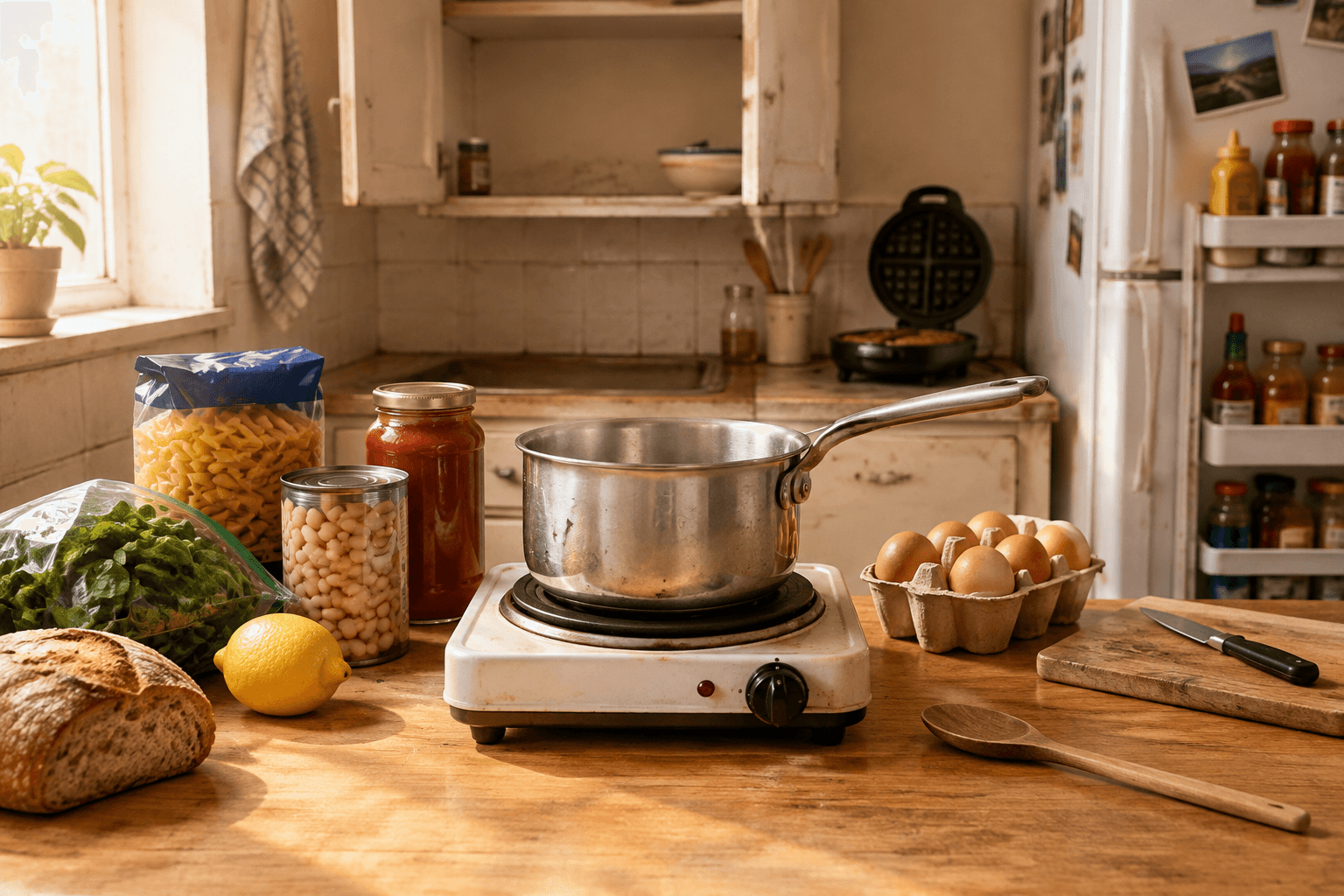
- The recipe needs a few leaves of cilantro, but the store sells a bunch.
- The recipe needs half a cup of yogurt, but the store sells a tub.
- The recipe needs a spoonful of Dijon, but the store sells a jar that will outlive several elected officials.
- The recipe needs one potato, but the store sells a bag because apparently individual potatoes have become a luxury experience.
That surplus deserves a plan. You do not need to schedule every molecule. You need one credible destination. If you cannot name one, change the purchase before it moves into your fridge and starts quietly becoming your responsibility.
Five useful exits
1. A casual second use
This is the easiest version. It does not need to be a second full recipe with a shopping list and a carefully curated Tuesday evening.
It can be:
- Herbs in eggs, sandwiches, grain bowls, soup, salad, or a sauce.
- Yogurt at breakfast, in a quick sauce, or with roasted vegetables.
- Ricotta on toast, in scrambled eggs, in a baked potato, or in a future lasagna.
- Greens in soup, omelets, pasta, or a simple sauté.
- Half a lemon in dressing, tea, sparkling water, or a future pan sauce.
“I will use the rest with eggs or sandwiches” counts. You do not need to write “Thursday, 7:15 p.m., ceremonial ricotta toast” in your calendar.
2. A freezer portion, when appropriate
Freezing can be a practical fallback for ingredients that are unlikely to get used soon. Portion the amount you expect to want later, label it, and freeze it only if that particular food is suitable for freezing.
Check the package instructions and a food-specific source such as FoodKeeper. Freezing guidance differs by food, and texture can change. Some ingredients work well later in soup, sauce, baking, or other cooked dishes. Others return with the emotional energy of a wet receipt.
Freezing preserves food. It does not repair food that was mishandled or make questionable food safe again.
3. A smaller purchase
Sometimes the sensible answer is simply less stuff.
Look for a smaller tub, a loose vegetable instead of a bag, a bulk-bin amount, a deli-counter portion, or a way to split the package with someone. Availability depends on the store and ingredient, so this will not always work. It is still worth checking. The standard package size is not a commandment handed down from Mount Costco.
4. A substitute
If a recipe needs a small amount of a specialty ingredient, see whether a reasonable substitute can do the job using something you already have.
This is most plausible when the ingredient plays a supporting role. A small amount of creamy dairy, an acid, or a garnish herb may be flexible. Ingredients central to a dish’s structure or character deserve more caution. Do not swap the main ingredient just because you have a half jar of something vaguely adjacent and a dream.
5. A different recipe
This is allowed. It may be the most underrated grocery decision available to a human being.
If your plan requires buying a large package of an ingredient you do not particularly enjoy, cannot use soon, and cannot freeze or share, choose something else. Dinner will survive. There are other pastas. There are, technically, too many pastas.
A specialty purchase can still be worth it for a birthday dinner, holiday, beloved dish, or ingredient you genuinely want to explore. Waste prevention is not a purity contest. You are allowed to buy a fancy jar for one great meal. Just call it a deliberate treat instead of pretending it has a robust long-term career ahead of it.
Match the plan to the package

Some grocery items create more surplus by design. Planning gets easier when you recognize their usual shape.
Bunches of herbs
Herbs are often bought for a garnish and then forgotten in the refrigerator drawer, where they begin a brief career as compost cosplay.
Your exit plan can be broad: use them across lunches, chop them into eggs, stir them into grains, add them to soup, or make a sauce if you were already going to. If none of those sound appealing, consider dried herbs, a different garnish, or a recipe without the fresh-herb requirement.
Tubs and cartons of dairy
For ricotta, yogurt, sour cream, buttermilk, cream, or similar ingredients, decide whether the remainder has a realistic everyday use in your household. “We eat yogurt constantly” is a plan. “I vaguely respect yogurt as a concept” is less of one.
If freezing is part of your plan, look up guidance for that particular product first. Dairy does not have one universal freezer rule.
Jars and bottles of condiments
These can be easier to keep than fresh produce, but they still become a fridge-door museum of one-time ambitions.
Before buying a sauce, paste, mustard, vinegar, or condiment, ask whether it fits foods you already make. Can it show up in sandwiches, marinades, dressings, sauces, or grain bowls? If the honest answer is “only in this one recipe from a blog I found at 11:48 p.m.,” consider a substitute or a different dish.
Bags of produce
A bag can be good value when you have a real use for the extra food. Build in a low-stakes destination such as roasted vegetables, soup, lunch boxes, a side dish, or a freezer portion where appropriate. If the bag does not fit your life this week, buy loose produce if you can.
Keep the habit loose
Rigid planning has a way of making cooking feel like a small municipal government. You do not need that.
An exit plan is a likely next move, plus a fallback. For example:
Buy cilantro for tacos. Use some in eggs or soup later. If that does not happen soon enough, freeze a suitable portion according to food-specific guidance.
Or:
Buy a tub of yogurt for a dish. Use it for breakfast. If breakfast plans vanish because you become suddenly devoted to toast, use it in a sauce later if the product is still appropriate to use.
Your plan can change. Maybe dinner gets replaced by takeout. Maybe you get sick of cilantro. Maybe you make the intended recipe and discover it was merely fine, which is a brutal thing for a weeknight to be.
The plan has still done its job. It made the extra food visible before the purchase instead of asking Future You to discover it beneath a bag of spinach weeks later.
A small date-label and safety boundary
Waste prevention should not turn into freestyle food safety.
In the United States, many packaged-food date labels describe quality, rather than acting as a universal safety deadline. The FDA notes that, apart from infant formula, federal law generally does not require food date labels, and labels such as “Best if Used By” commonly describe quality. Rules and label language vary by product and jurisdiction, so check local guidance and the package rather than treating one phrase as a magic answer. The FDA’s date-label guidance explains the distinction.
Do not use smell, appearance, or taste as proof that food is safe. Do not freeze food to erase earlier mishandling. When you need an answer about a particular food’s storage or freezing, use FoodKeeper or follow the manufacturer’s instructions.
The broad habits are still useful: plan purchases, store food properly, use leftovers, and freeze suitable food for later. Both the FDA and EPA recommend versions of these practices for reducing household food waste.
Let your recipe collection do some remembering
A saved-recipe library helps when you want to find a second use before shopping. Your brain already has other responsibilities, including knowing where you put your keys and replaying a conversation from 2017.
In Spiceful, you can save and organize your own recipes, search your collection for a possible second use, and schedule saved recipes in a meal plan. You can build a grocery list from that plan, and grocery ingredients can be consolidated.
Spiceful does not track pantry inventory or decide what you should cook. You still have to notice the half bunch of cilantro. Keeping recipes, a loose plan, and a grocery list in one place can make the exit plan less dependent on remembering the soup you saved nine months ago.
The next time a recipe asks for two tablespoons from a giant package, give the remainder somewhere to go before you buy it. Future You may still change the plan. Future You will at least know there was one.
Ready to tame the chaos? Build your recipe book.
- Save recipes from anywhere
- Turn ingredients into one tidy list
Start free. No credit card needed. Upgrade anytime.