How to Turn a Meal Plan Into a Grocery List You Can Actually Shop
A meal plan gives you recipe amounts. The store gives you cans, bags, bunches, and one alarming range of onion sizes. Use this practical edit to consolidate ingredients, check what you already have, and make sensible buying decisions.
The Spiceful Team
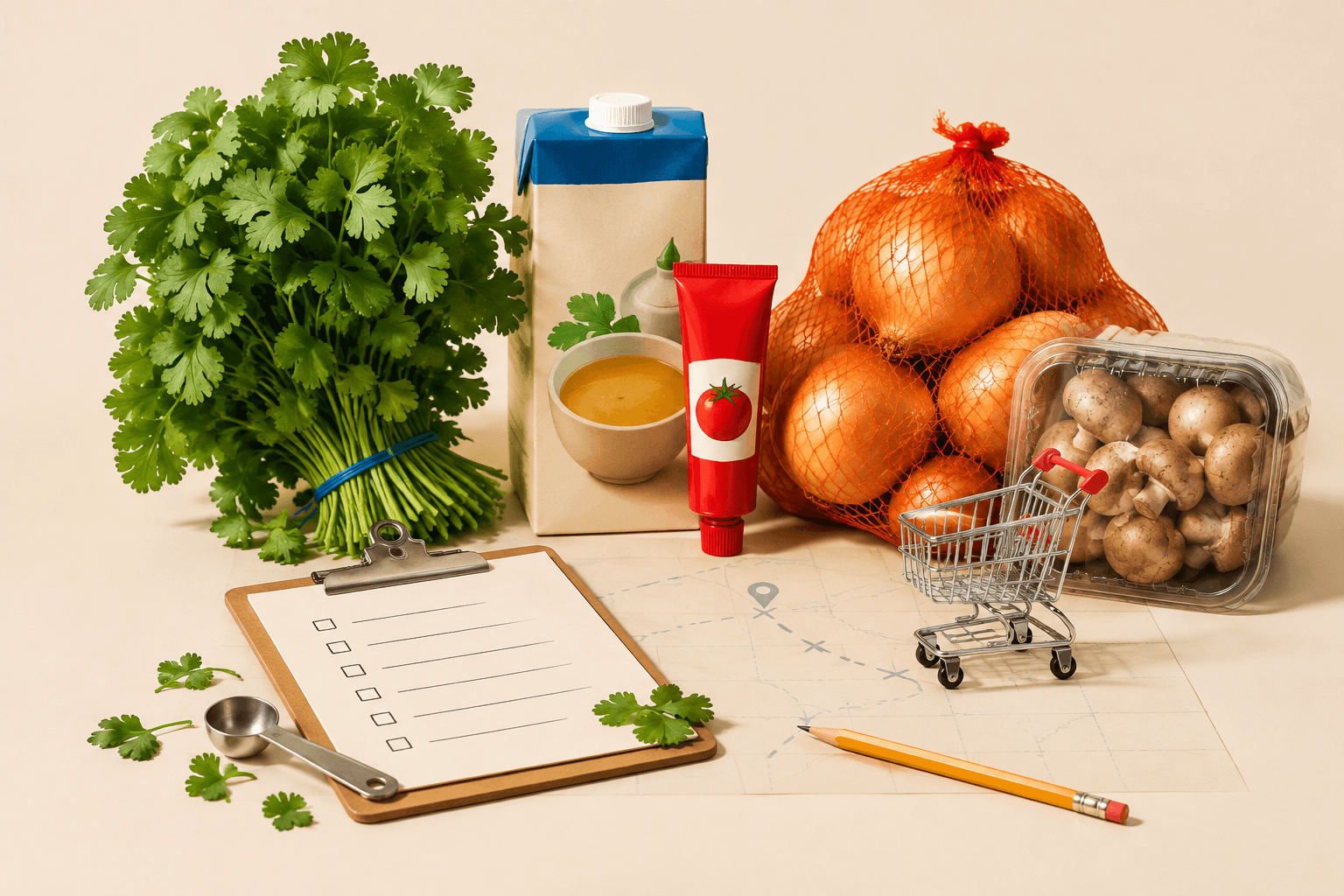
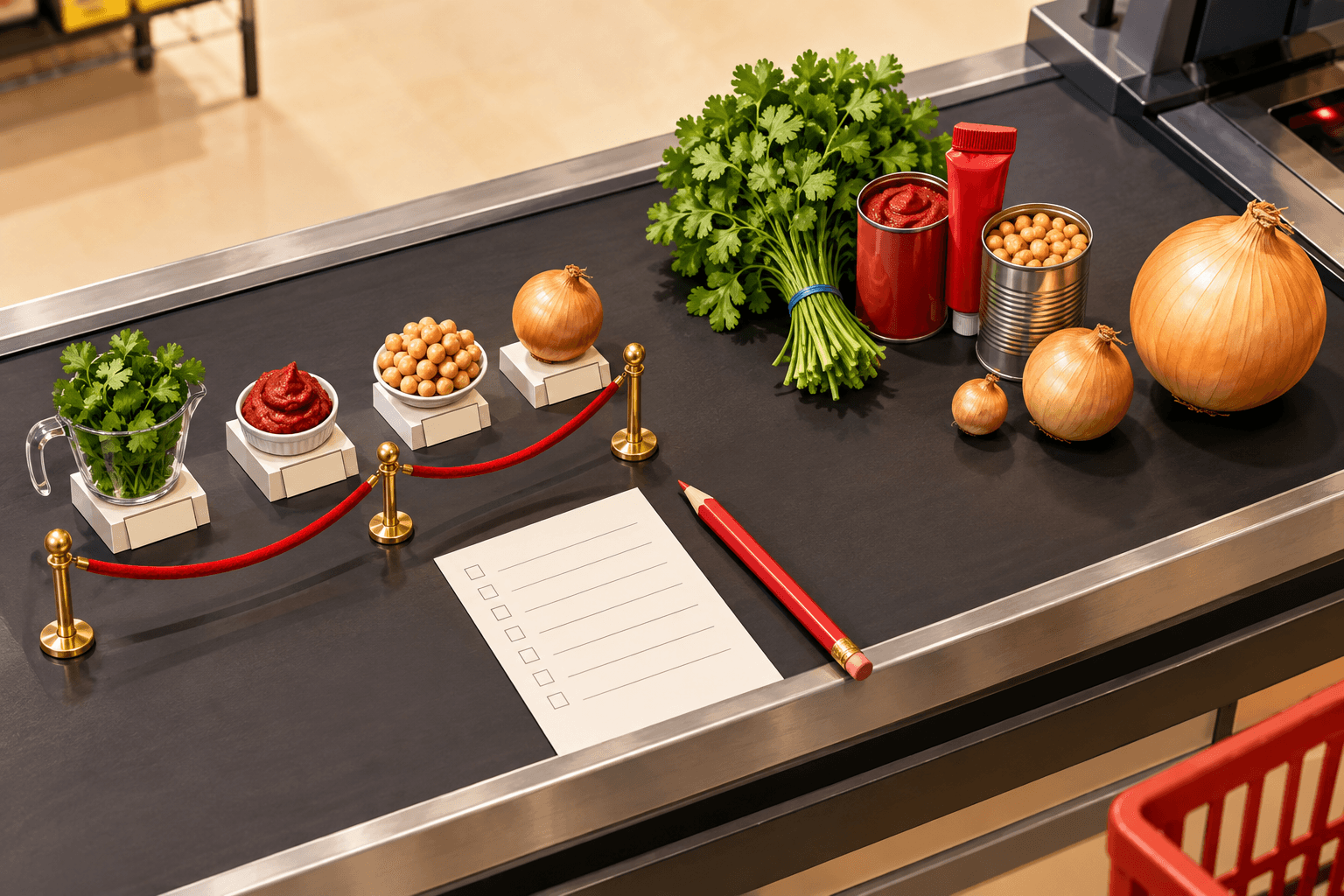
Your meal plan says you need 1/2 cup cilantro, one onion, 2 tablespoons tomato paste, 15 ounces of chickpeas, and “feta, for serving.”
The store sells cilantro in bunches, onions ranging from golf ball to small meteorite, tomato paste in tubes and cans, and chickpeas in several can sizes. Feta may or may not be worth buying depending on how emotionally committed you are to feta on a Tuesday.
That gap is why a meal-plan grocery list needs a quick edit before you leave. Recipe ingredients are cooking instructions. Grocery items are things a person can actually buy.
Treat the first list as a draft, not a subpoena.
The pre-store edit

Scan the combined ingredients in this order:
- Combine ingredients that are genuinely the same.
- Translate recipe amounts into purchase units.
- Check the pantry, refrigerator, and freezer.
- Decide what to do with optional items and partial packages.
The USDA’s meal-planning guidance also recommends checking what you already have before shopping. Sensible advice, even if your pantry currently resembles a very quiet archaeological site.
Recipe ingredients are not grocery items
A recipe might call for 1 cup of broth. You buy a carton.
A recipe might call for 2 tablespoons of peanut butter. You buy a jar, unless you already own one that has not achieved the texture of drywall compound.
A recipe might call for 15 ounces of chickpeas. You may buy one can, but package sizes vary by product, brand, retailer, and region. Check what is actually available instead of assuming every can follows the same tiny, bean-based constitution.
The useful distinction is simple:
- A recipe ingredient describes the amount and form used in one dish.
- A grocery item describes what needs to go into your cart.
- A purchase unit is how the store sells it: a can, carton, bunch, bag, package, or one very assertive onion.
Package labels add another wrinkle. A package can contain multiple servings, and its labeled serving size is not a promise that the package contains exactly what your recipe needs. It is label information, not a dinner oracle.
When useful, write the buying decision alongside the total:
Chickpeas: 2 cans, use for curry and saladCilantro: 1 bunch, tacos and soupSpinach: buy 1 bag if none is at homeTomato paste: 1 tube or can, depending on preference
Those notes preserve why the item is on the list. Future-you, standing under supermarket lighting that makes everyone look vaguely haunted, will appreciate the evidence.
Combine duplicates carefully
Consolidation is helpful. It is also where a list can become a little too confident.
Some duplicates are straightforward:
- green onions and scallions
- two recipes calling for the same canned beans
- 1/2 cup diced onion plus one onion, once you decide how much onion you need overall
Other near-matches deserve separate lines until you make a deliberate choice:
- tomato paste and tomato sauce
- salted butter and unsalted butter
- fresh ginger and ground ginger
- Greek yogurt and sour cream
- red onion and yellow onion, when the recipe’s flavor or appearance matters
Do not merge ingredients just because they share a noun. “Parmesan” and “grated Parmesan” may be the same purchase if you are happy to grate it yourself. “Parmesan rind” is a different assignment entirely.
Keep recipe-specific details in a note when you consolidate. Instead of flattening two entries into onion, write:
2 onions total: 1 diced for chili, 1 thinly sliced for fajitas
Now you have the total, the intended form, and a reminder that Monday’s meal should not quietly sabotage Friday’s.
Check what you already have
Look through the pantry, refrigerator, and freezer after combining obvious repeats. You do not need a perfect household inventory. You do need to notice the ingredients you can confidently skip or reduce.
Pay particular attention to:
- Staples: oil, vinegar, dried spices, flour, sugar, rice, canned goods, broth bases, and condiments often appear in small amounts.
- Opened ingredients: half a bag of spinach, an open jar of curry paste, or a partial carton of broth may cover one of the planned recipes.
- Recipe-specific versions: plain yogurt and Greek yogurt may not be the same choice for a particular dish. The list cannot decide that without knowing what you are making and what you like.
You can also add ordinary household needs manually. Toilet paper is not a recipe ingredient, despite its notable absence from most pasta dishes.
Translate vague amounts into store language
Recipes are allowed to say “one onion.” Stores sell onions of wildly different sizes. This is legally permitted for some reason.
For vague produce quantities, make a practical purchase decision based on the recipe and the rest of the plan:
- “1 onion”: Buy one that looks appropriate for the dish, unless several recipes call for onion. Then total the uses and buy enough onions to cover them.
- “A handful of herbs”: If you do not have any, a bunch or pack may be the practical purchase. Note which meals will use it.
- “2 cups spinach”: Translate the amount into the bag or bunch sold at your store. Produce rarely arrives in recipe-sized portions.
- “1 lemon”: Buy by count, then check whether another recipe needs zest or juice.
For canned, jarred, and boxed goods, write the retail decision rather than leaving a mysterious combined weight. 2 cans chickpeas is more usable at the store than 30 ounces chickpeas, provided the cans available to you fit the plan reasonably well.
If the store sells a different size, adjust your list. Grocery shopping is not a standardized test. Nobody is grading your carton math.
Keep optional ingredients visibly optional
A garnish, serving suggestion, or “to taste” ingredient should not quietly become a mandatory purchase. Mark it with a symbol, put it in a separate section, or decide to skip it before shopping.
Examples include:
- cilantro for serving
- feta on top
- hot sauce to taste
- toasted nuts as a finish
- lemon wedges at the table
Sometimes the optional thing is the best part. Sometimes it is a $6 herb bundle that will spend the week silently accusing you from the crisper drawer. Make the call deliberately.
The same care applies to substitutions. A replacement that sounds close may differ in flavor, texture, salt, fat, or suitability for someone’s dietary needs. Keep the original item on the list until you have chosen a substitute you are comfortable using.
Decide what happens to partial packages
A recipe needing 2 tablespoons of tomato paste does not mean the store will sell you 2 tablespoons of tomato paste. Rude, but true.
When an ingredient comes in a larger package than the recipe needs, choose a path before you buy it:
- Use the remainder in another meal already on the plan.
- Choose a different package size if one is available.
- Buy the larger package and accept that some will remain.
- Pick a different recipe if the purchase feels silly for one tiny use.
Do not assume the largest package is the best deal. Unit price matters, but so do expected use, available storage, and whether you actually want another project ingredient lurking in the kitchen.
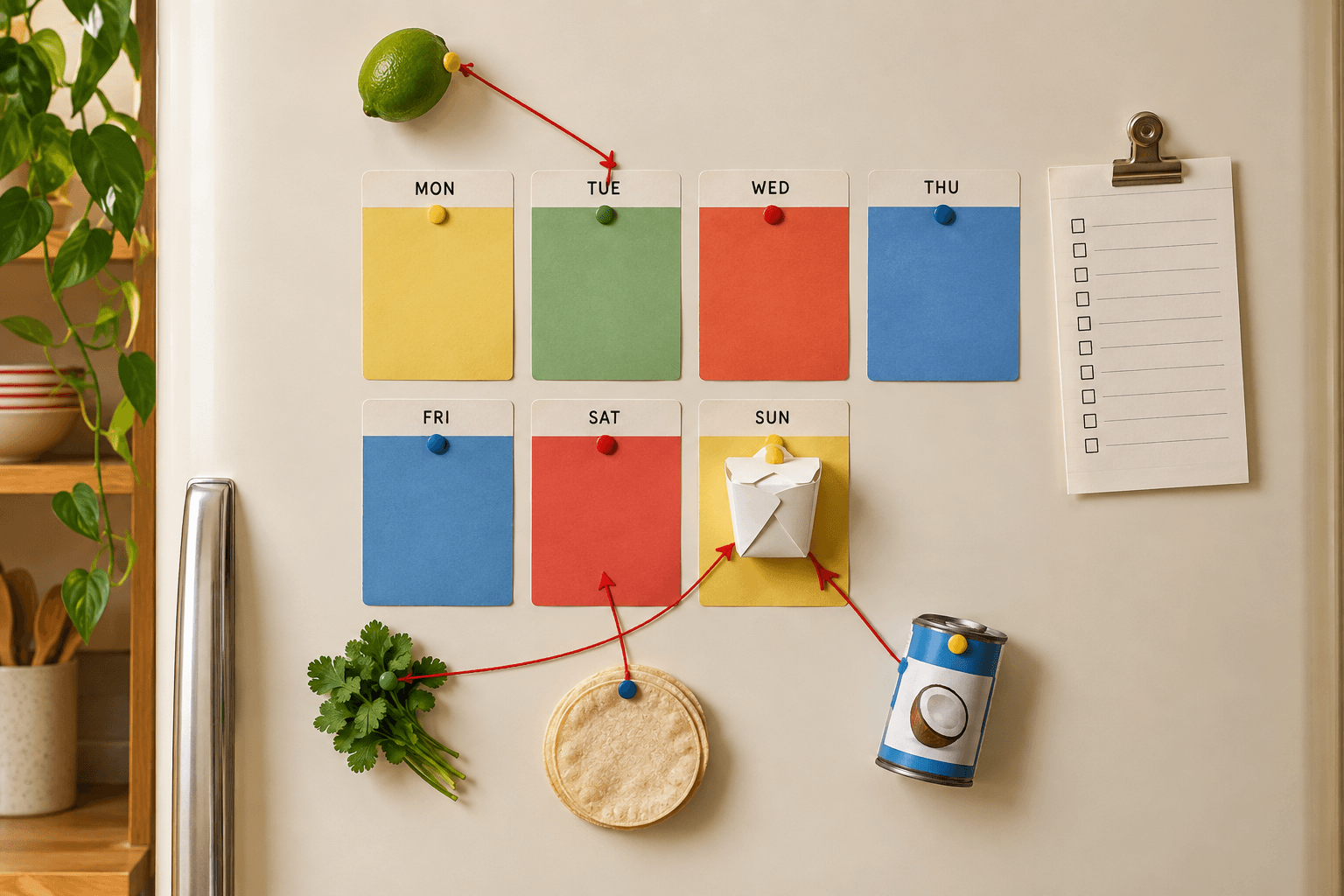
A note can make the plan concrete: Coconut milk: buy 1 can, use in Friday’s soup too. That is more useful than buying it with the vague optimism of someone who believes they will definitely become a coconut-milk household.
Let an app handle the boring part
An app can remove plenty of list admin. Spiceful can create grocery items from saved recipes or a meal plan, lets you add non-recipe items manually, and can consolidate duplicate ingredients. Multiple grocery lists are available with Premium.
That gets you to a useful draft quickly. It does not know whether you already have half a bag of spinach, whether cilantro is essential to your tacos, or whether you prefer a tube of tomato paste to a can. Those decisions belong to the person who has to eat the resulting dinner.
The reliable workflow is pleasantly unglamorous: build the list from the plan, edit it once, shop it, and keep the notes that saved you from buying three jars of cumin and somehow no actual food.
Sources
Ready to tame the chaos? Build your recipe book.
- Save recipes from anywhere
- Turn ingredients into one tidy list
Start free. No credit card needed. Upgrade anytime.