One Dinner, Different Finish Times: A Realistic Plan for Staggered Schedules
Plan one flexible dinner for people eating at different times. Learn which components reheat well, what should wait until serving, and how to chill late portions safely.

The Spiceful Team
Dinner does not need a curtain time.
Maybe one person eats at 5:30 before practice, somebody else gets home at 7:45, and another arrives from work carrying the particular stare of a person who has spent 40 minutes in traffic. A fully plated meal sitting around through all that develops the emotional energy of an airport sandwich.
You can make one dinner without insisting everybody eat it at once. The trick is to plan for one set of components with different finish times. Cook the parts that hold well. Keep the parts that go floppy, wilted, or weird separate. Refrigerate a truly late portion instead of leaving a plate to loiter on the counter.
This is dinner planning for households whose calendars look like somebody shook a box of magnets.
Build dinners in parts
A flexible dinner usually has a sturdy center, plus a few things that can wait until somebody is actually ready to eat.
Think in components:
- Base: rice, potatoes, tortillas, pasta, bread, or greens
- Main: beans, roast chicken, tofu, meatballs, lentils, a stew
- Vegetables: roasted vegetables, sautéed vegetables, raw veg, salad
- Sauce or topping: salsa, gravy, pesto, yogurt sauce, cheese, dressing
- Fresh or crisp finish: herbs, avocado, toasted nuts, chips, fried onions, crunchy slaw
That format covers a surprising amount of normal food. Taco bowls, baked potatoes with toppings, soup with sandwiches, grain bowls, roasted sheet-pan components, and pasta with sauce served separately all work well.
The goal is not to turn dinner into a custom fast-casual franchise with a complicated assembly line. It is to avoid making a perfectly good meal worse by assembling it two hours before the person eating it appears.
A taco setup is the classic example. The cooked filling, rice, beans, tortillas, shredded cheese, salsa, lettuce, and avocado do not have to become one object at 6 p.m. Put out what the early eater needs. Chill a portion of the filling for the late eater, then reheat it and assemble their tacos later. The lettuce gets to remain lettuce. A small victory, but we take those.
Give each component a job: holds, reheats, or waits

Some foods are forgiving. Others see a little moisture and immediately file for divorce.
Usually good candidates for cooking ahead or reheating
These are often useful foundations for staggered dinners, though the exact recipe and reheating method still matter:
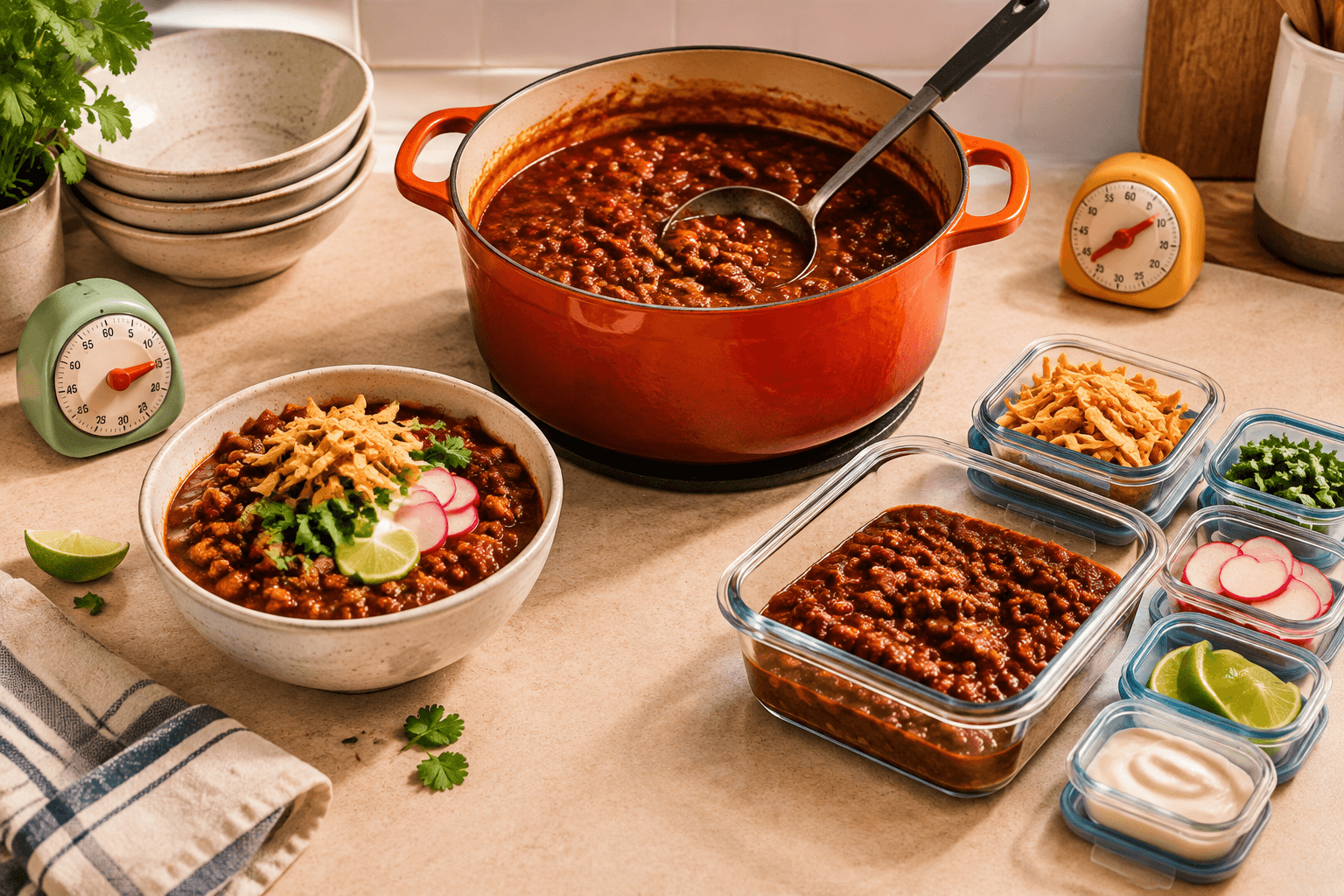
- soups, stews, braises, chili, and beans
- cooked grains
- roasted or shredded meats
- cooked lentils and other hearty plant proteins
- many sauces
- roasted vegetables, especially when you are okay with them being softer rather than crisp
- baked potatoes, reheated and topped when needed
A bowl meal made from warm rice, beans, roasted vegetables, and a sauce is not going to taste identical at 8 p.m. as it did at 6 p.m. It can still be a very good dinner. Texture is allowed to be different without becoming a personal failure.
Better finished close to serving
These are the bits worth protecting:
- fried or breaded foods
- crispy roasted potatoes or vegetables
- dressed leafy greens
- toasted crumbs, nuts, and crunchy toppings
- fresh herbs
- avocado
- cold crunchy toppings such as slaw or sliced radishes
Keep them separate, then add them at the last minute. A late eater can have reheated soup with fresh herbs and crunchy croutons rather than soup wearing a damp crouton hat.
Pasta deserves its own small intervention. For most pasta dishes, keep pasta and sauce separate if there will be a long gap before serving. Pasta keeps absorbing liquid as it waits, then gradually becomes one with the sauce in a way nobody requested. Combine portions near serving time. Exceptions exist, especially deliberately saucy baked pasta, but you know the recipe better than a rule written on the internet does.
Treat a late plate as leftovers, not as hot holding

A portion held briefly while someone washes up or finishes a call is one thing. A dinner waiting several hours for a late arrival is another.
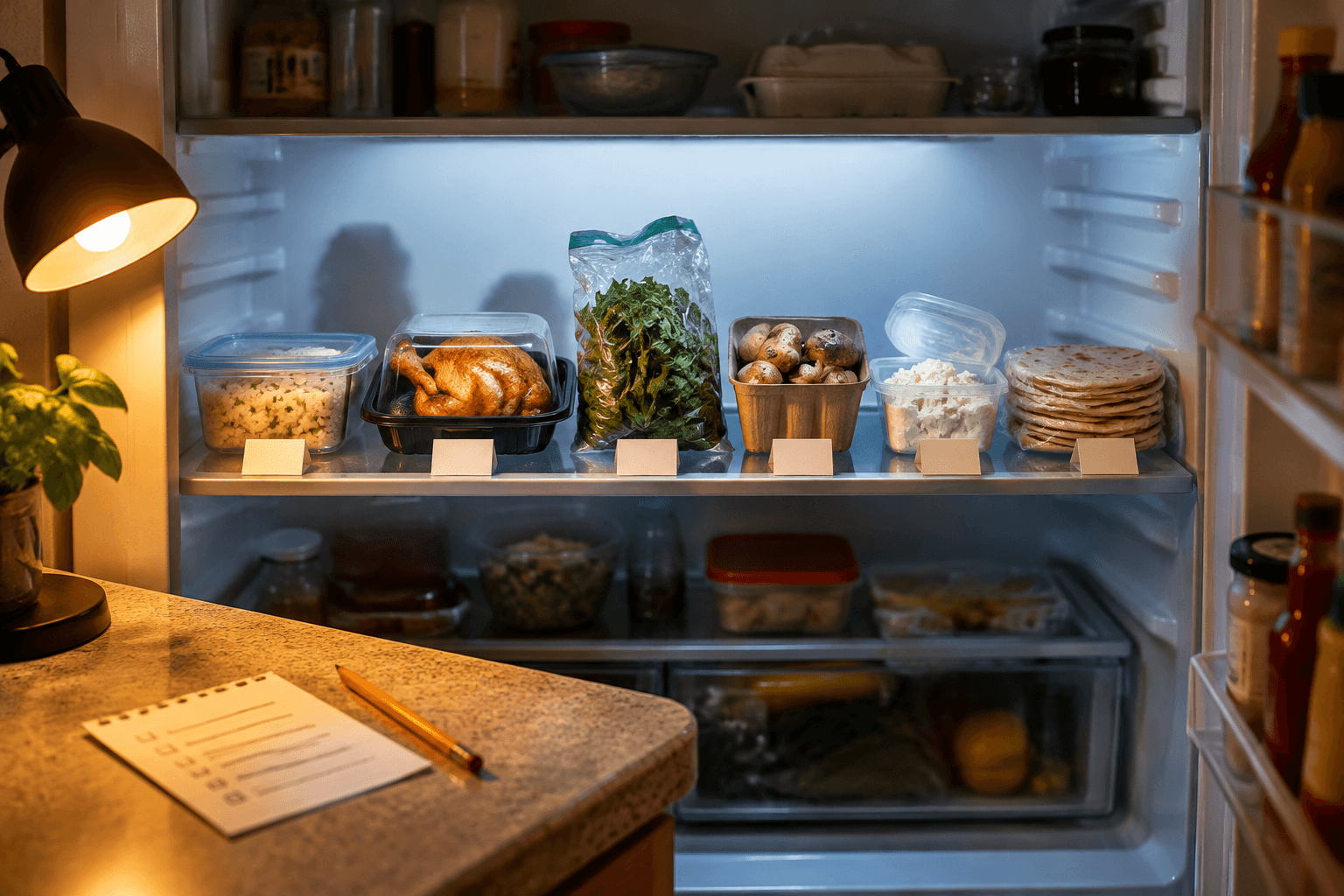
For somebody eating substantially later, portion their food into a shallow container and refrigerate it promptly. Keep the fresh, crunchy, and sauce-sensitive parts separate. When they are ready to eat, reheat the cooked portion and assemble the rest.
The USDA says perishable food should not sit at room temperature for more than two hours, or more than one hour when the air temperature is above 90°F. That counter is not a magical safety force field, either. Food can look and smell completely normal while it has been handled unsafely. Do not make dinner safety decisions by conducting a suspicious little sniff test.
For leftovers, USDA advises prompt refrigeration, cooling in shallow containers, and reheating to 165°F, checked with a food thermometer. The FDA recommends keeping your refrigerator at or below 40°F.
A low oven, warming drawer, slow cooker, or “I’ll just leave the lid on” is not a blank check to hold every dinner indefinitely. Even when food is handled safely, quality can become grim long before then.
Sources: USDA, The Danger Zone: Following Food Safety Temperatures, USDA, Leftovers and Food Safety, and FDA, Home Food Storage.
Plan around the schedule before choosing the dinner
You do not need a color-coded household operating system. You do need a quick look at who is likely to eat when.
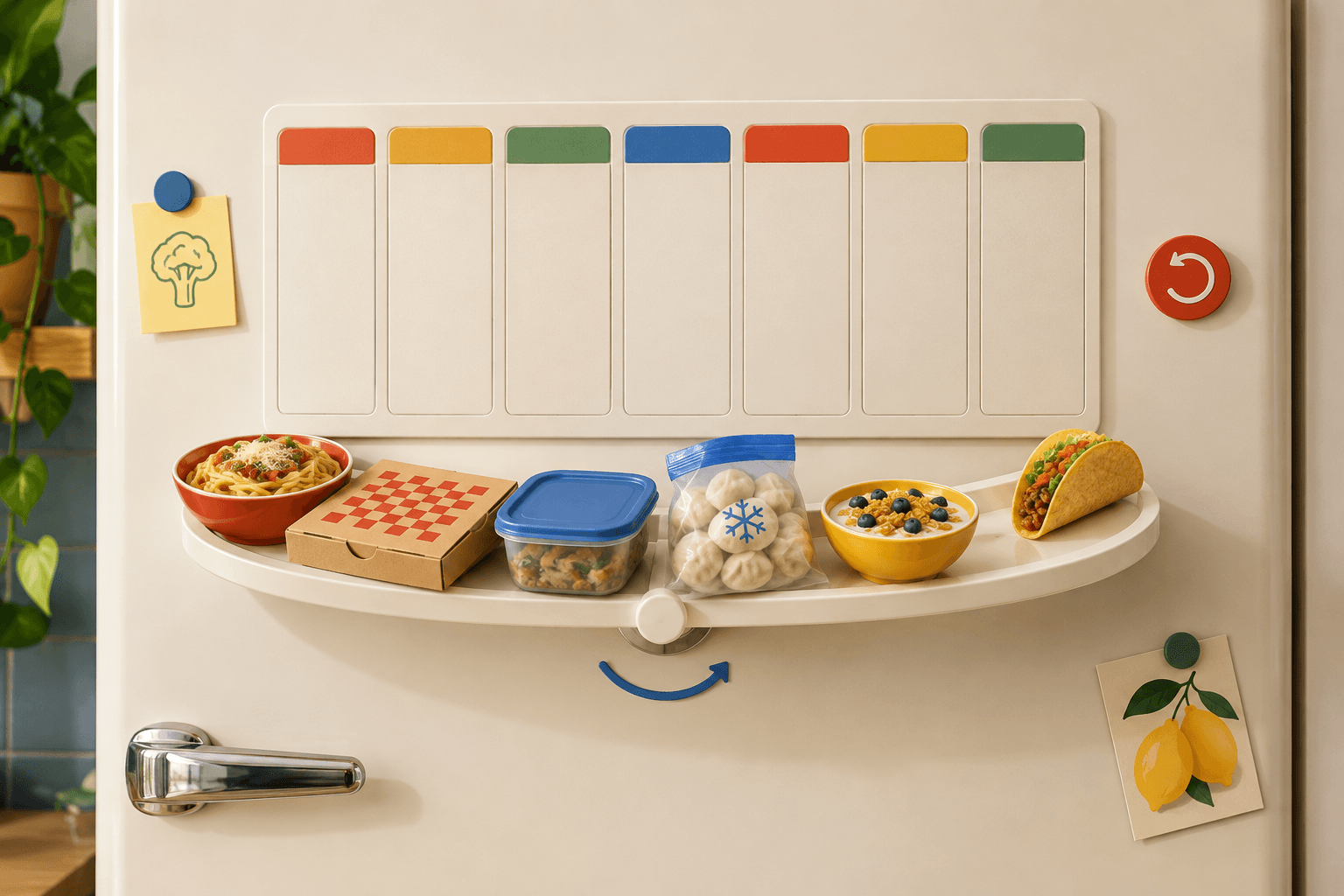
At the start of the week, mark the nights that are predictably fragmented. Practice night. Late meeting night. The night somebody is driving across town for a school event, a shift, or a mysterious appointment labeled only “thing.” Those are component-meal nights.
Save immediate-service food for evenings with more overlap. That might mean crispy cutlets, burgers, delicate fish, or any meal whose appeal depends heavily on being eaten the second it leaves the pan.
A compact pattern is enough:
| What the evening looks like | What to plan |
|---|---|
| People arrive in waves | Bowls, tacos, baked potatoes, soup, beans and grains, roast-and-assemble dinners |
| Most people can eat near the same time | Immediate-service meals, especially crisp or delicate food |
| The schedule is unknowable | Intentional leftovers, freezer food, eggs and toast, pantry pasta, or takeout without a guilt opera |
Build in at least one buffer night. A plan with no buffer assumes every person, traffic pattern, school event, and produce drawer will cooperate. That is an ambitious relationship to reality.
What a staggered evening can actually look like
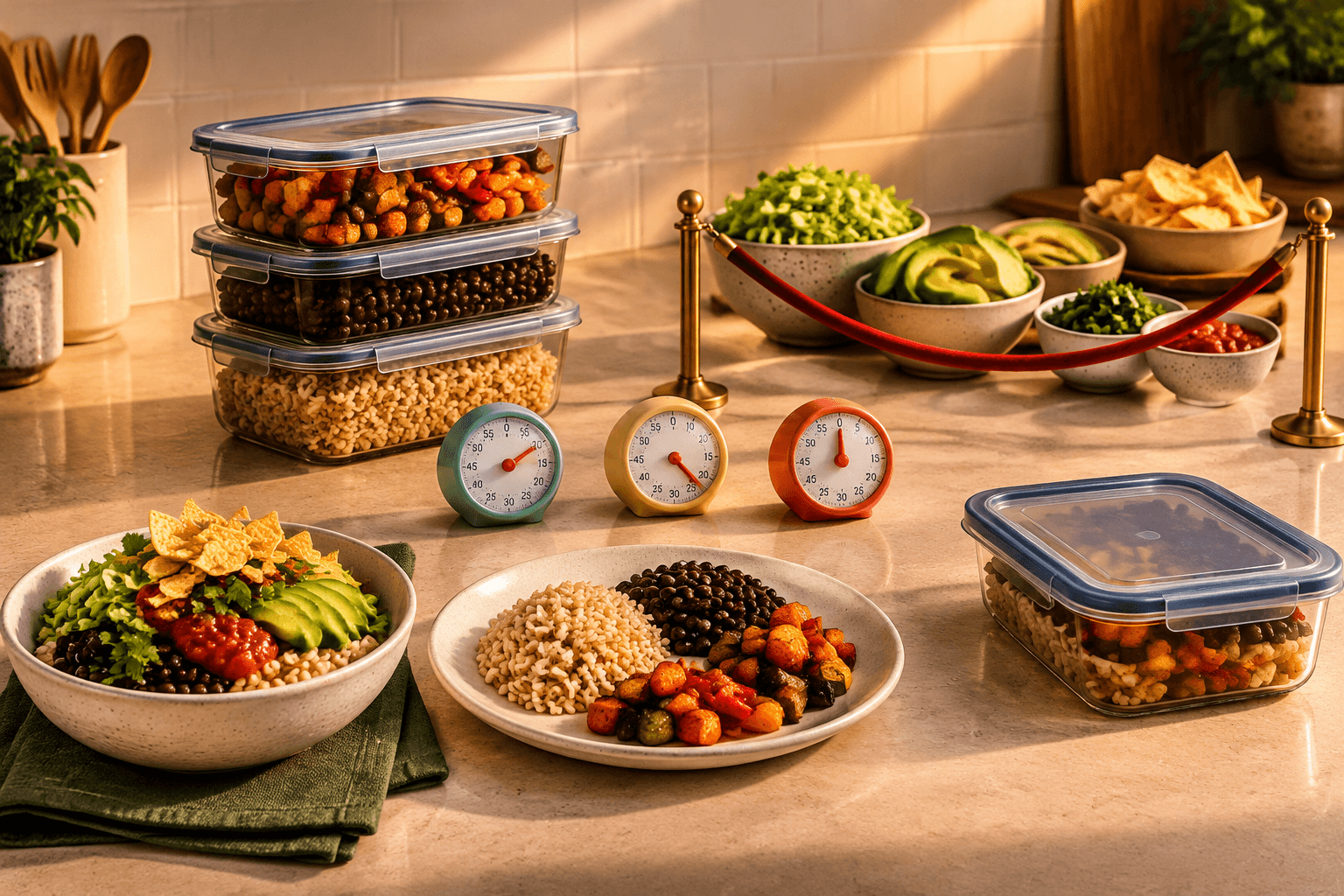
Say dinner is burrito bowls.
At 5:45, cook the protein and vegetables, warm beans, make rice, and set out salsa, cheese, and shredded lettuce. The early eater builds a bowl and heads out.
At 6:15, put the late eater’s cooked rice, beans, protein, and vegetables into a shallow container for the refrigerator. Keep lettuce, salsa, avocado, and chips in their own containers. Nobody needs a pre-built bowl slowly becoming a humid ecosystem.
At 8:00, reheat the cooked portion to 165°F, then add the cold toppings. The result is one dinner with two serving times, rather than an early dinner and a second entire cooking shift.
This works with many household staples:
- roast chicken, potatoes, and a salad assembled per person
- lentil soup with toast made when each person arrives
- meatballs, sauce, and pasta combined in individual portions
- baked potatoes with beans, cheese, vegetables, and toppings
- rice bowls with cooked components warm and crunchy toppings cold
People can also choose different combinations from the same spread. Ingredient separation can make preferences easier to manage. It is not a promise that one meal solves allergies, medical diets, or every sensory preference in the building. Dinner has limits. So do we all.
Keep the good staggered meals where you can find them
Once you find meals that survive a fractured evening, save them somewhere useful. “That chicken-and-rice thing everyone ate without complaint” is valuable household intelligence, and it deserves better than a vague memory plus a screenshot from 2022.
Spiceful is a personal recipe manager for home cooks. You can save dependable meals from URLs, pasted text, mobile photos, Instagram, or manual entry, then organize them in your own recipe library. Put your chosen recipes on its meal-plan calendar, use the plan to build a grocery list, and let duplicate ingredients be consolidated where appropriate.
The app does not decide dinner for you, because it has not met your household and would probably be alarmed by Thursday. It gives your own reliable recipes a place to live, so the next practice night does not begin with everyone staring into the refrigerator like it owes them an answer.
Ready to tame the chaos? Build your recipe book.
- Save recipes from anywhere
- Turn ingredients into one tidy list
Start free. No credit card needed. Upgrade anytime.